
Should I Buy It Calculator
See what a purchase really costs in work hours, income, and savings before spending the money.
Your Purchase Reality Check
What This Calculator Helps You Understand
Evaluate a purchase by showing its cost in work hours, percentage of income, and effect on savings.
When This Calculator Is Most Useful
Use it before a discretionary purchase when the sticker price alone does not show the real tradeoff.
How to Use This Calculator
- Enter current, realistic information in each field.
- Keep income, expenses, rates, and time periods consistent.
- Calculate the result, then test at least one conservative scenario.
- Review the explanation and limitations before making a decision.
How the Calculation Works
The price is compared with your income and savings information, then translated into work time and budget impact.
How to Interpret Your Results
The calculator does not decide for you. It reveals what the purchase competes with, such as time, savings, debt reduction, or other goals.
Helpful Planning Tips
Common Mistakes to Avoid
- Ignoring sales tax and ongoing costs
- Using gross income for a cash purchase
- Draining emergency savings for a non-emergency
Move Beyond One Paycheck
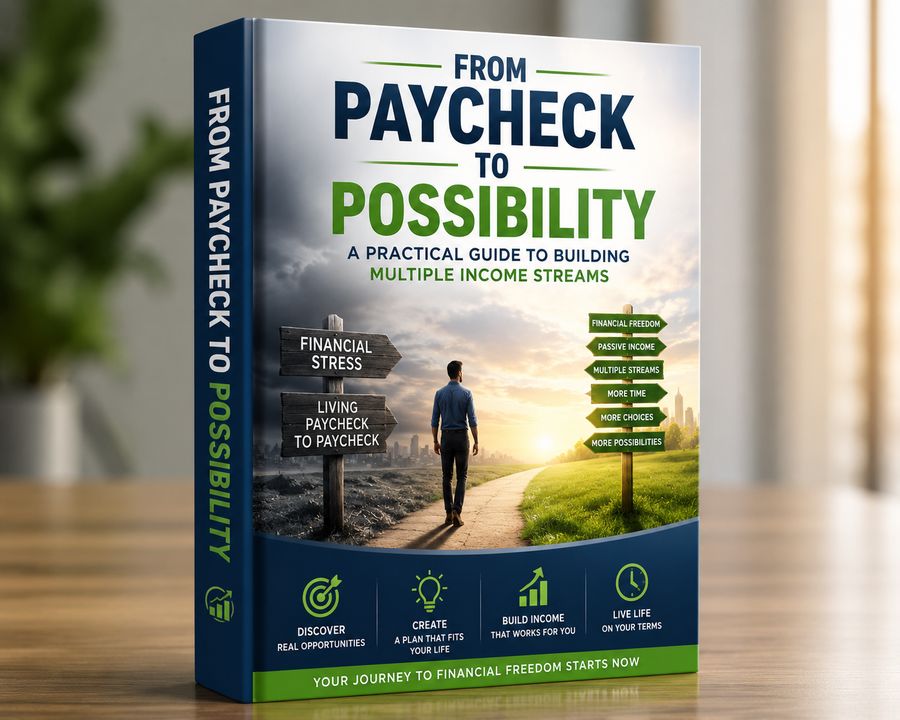
From Paycheck to Possibility is a practical guide to strengthening your finances, exploring additional income streams, and building opportunities beyond relying on a single paycheck.
Frequently Asked Questions
What does the Should I Buy It Calculator help me understand?
Evaluate a purchase by showing its cost in work hours, percentage of income, and effect on savings.
When is this calculator most useful?
Use it before a discretionary purchase when the sticker price alone does not show the real tradeoff.
How is the estimate calculated?
The price is compared with your income and savings information, then translated into work time and budget impact.
How should I interpret the result?
The calculator does not decide for you. It reveals what the purchase competes with, such as time, savings, debt reduction, or other goals.
What does this calculator not include?
Personal value, product quality, future maintenance, financing costs, and emotional priorities cannot be measured completely.
What should I do after using the calculator?
For a financed purchase, compare the full loan cost with the Should I Finance It Calculator.
Continue Your Financial Journey
For a financed purchase, compare the full loan cost with the Should I Finance It Calculator.
Last updated: July 2026